.jpg?width=1145&height=640&name=The%20Heart%20Logo%20(1).jpg)
How Can Ablation Help If You Keep Experiencing Sudden Episodes of Rapid Heartbeat?

cardiologist
Many people ignore a racing heartbeat at first, assuming it is caused by stress, caffeine, lack of sleep, or anxiety. While these triggers can contribute to palpitations, repeated episodes of sudden fast heart rhythm should never be dismissed without proper evaluation. If the heartbeat feels unusually rapid, starts and stops abruptly, or is associated with dizziness, weakness, breathlessness, or chest discomfort, it may be related to an underlying rhythm problem rather than a temporary trigger.
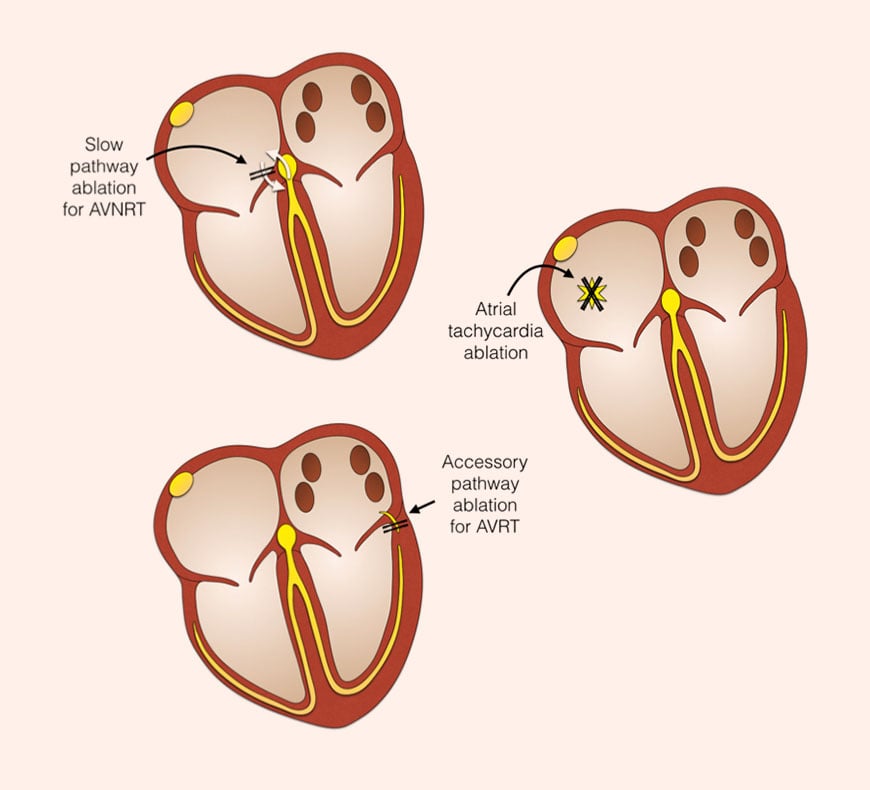
In patients with recurring episodes caused by supraventricular tachycardia, svt ablation may become an important treatment option, especially when symptoms are frequent or disruptive. The procedure is designed to identify and treat the abnormal electrical pathway responsible for the rapid rhythm. Instead of simply trying to suppress episodes with medication, it aims to address the root cause and reduce the chances of recurrence.
At The Heart.ae, patients with heart rhythm concerns are evaluated with close attention to both symptoms and underlying electrical patterns. This is important because not all rapid heart rhythms are the same, and effective treatment depends on knowing exactly which type of arrhythmia is present. Some people may need monitoring and reassurance, while others may benefit from medication or an interventional rhythm procedure.
What Makes SVT Different from Occasional Palpitations?
Palpitations are a symptom, not a diagnosis. They can happen because of stress, stimulants, fever, dehydration, or other temporary factors. SVT, however, is a specific rhythm disorder involving abnormal electrical activity in or near the upper chambers of the heart. It often causes episodes that begin suddenly, feel intense, and may last from seconds to hours.
Common signs include:
- A very fast heartbeat that starts abruptly
- Pounding or fluttering in the chest
- Dizziness or feeling faint
- Shortness of breath
- Weakness after an episode
- Anxiety triggered by repeated attacks
For some people, episodes are occasional and manageable. For others, they become frequent enough to interfere with work, social life, sleep, and overall peace of mind.
When Should a Patient Think Beyond Medication?
Medicines are often used to control rhythm symptoms, but they are not always the ideal long-term answer. Some patients still experience episodes despite treatment, and others may not tolerate medication well. When symptoms continue to affect daily life, it becomes reasonable to discuss more definitive treatment options.
Ablation may be considered if:
- Episodes occur repeatedly over time
- Symptoms are severe or prolonged
- Medication has not provided reliable control
- The patient wants to reduce dependence on long-term medication
- The abnormal rhythm pathway has been identified through testing
This type of decision should always be based on a full rhythm evaluation and a discussion of the patient’s symptoms, health status, and treatment goals.
Why Proper Rhythm Assessment Is Essential
Heart rhythm problems can sometimes look similar from the outside but behave very differently in terms of risk and treatment. This is why accurate diagnosis matters so much. A patient with recurrent palpitations may need ECG testing, ambulatory monitoring, and specialist review to capture the rhythm and understand its source.
At The Heart.ae, the aim is to identify not just whether an arrhythmia is present, but how it is affecting the patient and what the safest next step should be. Treatment planning is most effective when it is based on the exact rhythm pattern rather than on symptoms alone.
Understanding the Bigger Picture of Electrophysiology Care
Heart rhythm treatment is broader than one condition or one procedure. Some patients need care for fast rhythms like SVT, while others require evaluation for slow heart rhythms, conduction disorders, or rhythm instability related to structural heart disease. In certain cases, patients may need a pacemaker operation In UAE to support a heart that is beating too slowly or not conducting electrical signals properly.
This highlights the importance of seeing a specialist center that can evaluate the full range of rhythm problems and recommend the right treatment based on the patient’s actual diagnosis.
What Happens After Treatment?
One of the most reassuring parts of rhythm care is having a structured follow-up plan. Patients often want to know whether symptoms will return, how quickly they can resume normal activities, and what warning signs to watch for. Recovery and follow-up vary from one patient to another, but the overall goal is always the same: to restore rhythm stability and improve quality of life.
Patients are usually advised about symptom tracking, follow-up reviews, activity guidance, and any ongoing medication needs if applicable. This helps ensure that recovery is monitored properly and that patients feel supported after treatment.
Moving Toward Long-Term Relief
Living with repeated episodes of rapid heartbeat can affect both physical comfort and emotional well-being. Many patients begin avoiding exercise, travel, or stressful situations because they fear triggering another episode. Over time, that uncertainty can become just as challenging as the symptoms themselves.
For patients considering svt ablation, The Heart.ae offers specialized rhythm care focused on accurate diagnosis, expert evaluation, and personalized treatment planning. When a fast heartbeat keeps returning and begins to interfere with daily life, the right care can provide more than symptom relief—it can help restore confidence, comfort, and control.