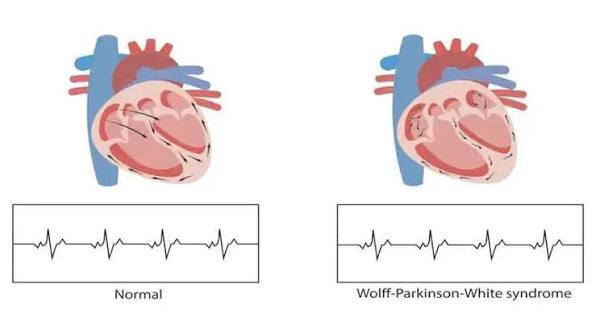
Wolff-Parkinson-White (WPW) syndrome is a heart rhythm condition caused by an extra electrical pathway in the heart. This pathway can interfere with the normal movement of electrical signals and may cause episodes of an unusually fast heartbeat. While some people with WPW may have no symptoms, others can experience palpitations, dizziness, chest discomfort, shortness of breath, or fainting.
For people considering ablation for wolff parkinson white In uae, understanding the condition, treatment process, benefits, and recovery can help them make informed decisions. Catheter ablation is a commonly used treatment for suitable patients because it targets the additional electrical pathway responsible for abnormal heart rhythms.
What Causes Wolff-Parkinson-White Syndrome?
The heart normally has a carefully organised electrical system that controls each heartbeat. Electrical signals travel through specific pathways, allowing the upper and lower chambers of the heart to contract in the correct sequence.
In WPW syndrome, an additional electrical pathway is present between the upper and lower chambers. This accessory pathway can allow electrical signals to bypass the heart's normal conduction system. As a result, the heart may suddenly begin beating very quickly.
Some people discover they have WPW during a routine ECG, even if they have never experienced symptoms. Others may only seek medical attention after experiencing repeated episodes of rapid heartbeat.
What Symptoms Can WPW Cause?
Symptoms can vary from person to person. Some individuals may have occasional episodes, while others may experience frequent or more noticeable symptoms.
Common signs can include:
- Sudden rapid heartbeat
- Pounding or racing sensation in the chest
- Dizziness or light-headedness
- Shortness of breath
- Chest discomfort
- Weakness or fatigue
- Fainting in some cases
A sudden racing heartbeat that begins and ends unexpectedly may indicate an abnormal rhythm. Anyone experiencing unexplained or recurring symptoms should undergo appropriate cardiac evaluation.
How Is WPW Diagnosed?
Doctors may use several tests to understand the heart's electrical activity. An electrocardiogram (ECG) is often one of the first investigations. It can show characteristic electrical changes associated with WPW.
Depending on the patient's symptoms, a cardiologist may also recommend:
- Holter or ambulatory ECG monitoring
- Echocardiography
- Exercise testing
- Electrophysiology study
- Other cardiac investigations when required
An electrophysiology study can provide detailed information about how electrical signals travel through the heart. It may also help identify the exact location of the accessory pathway.
How Does Catheter Ablation Treat WPW?
Catheter ablation is designed to eliminate the abnormal electrical pathway responsible for the rhythm problem.
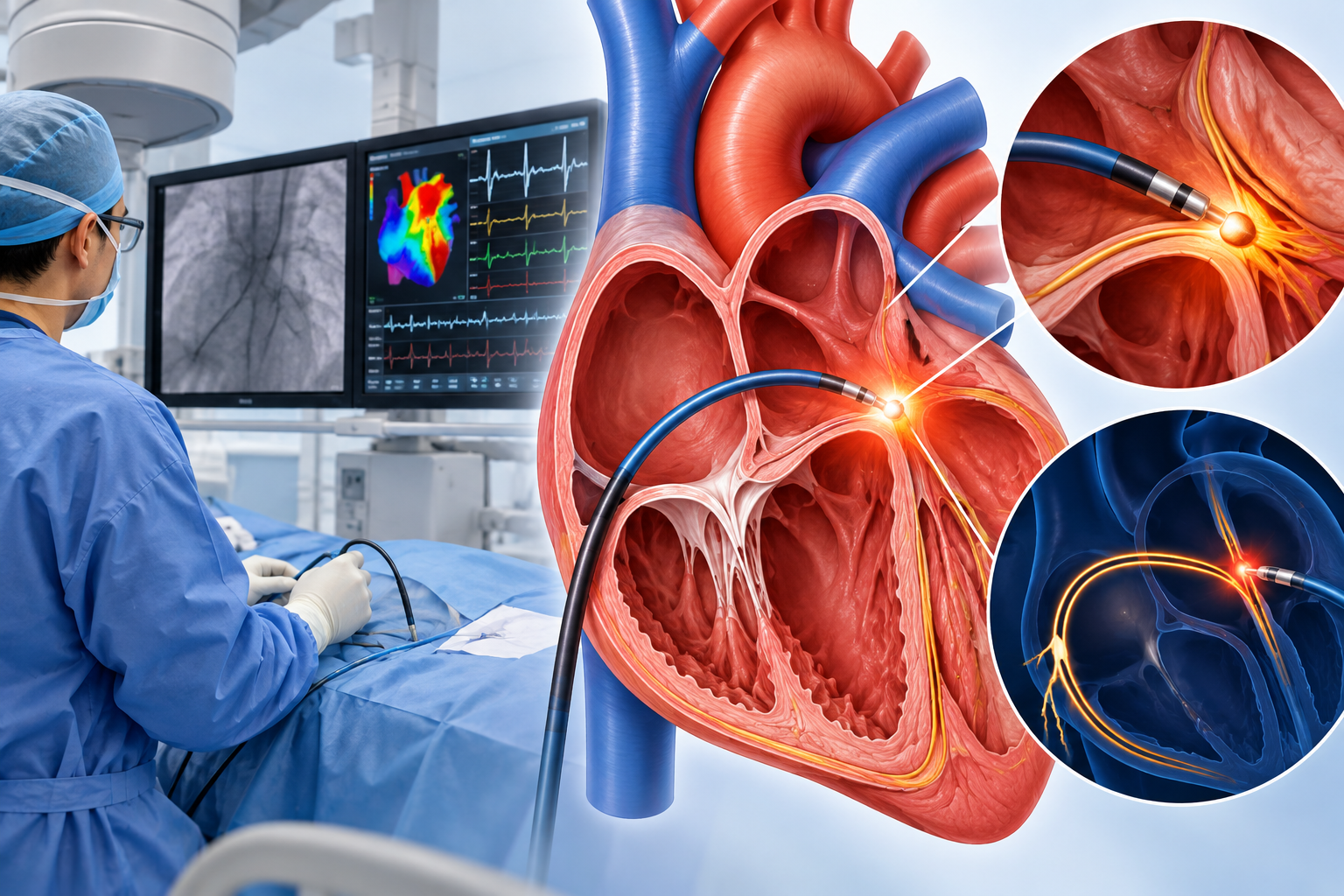
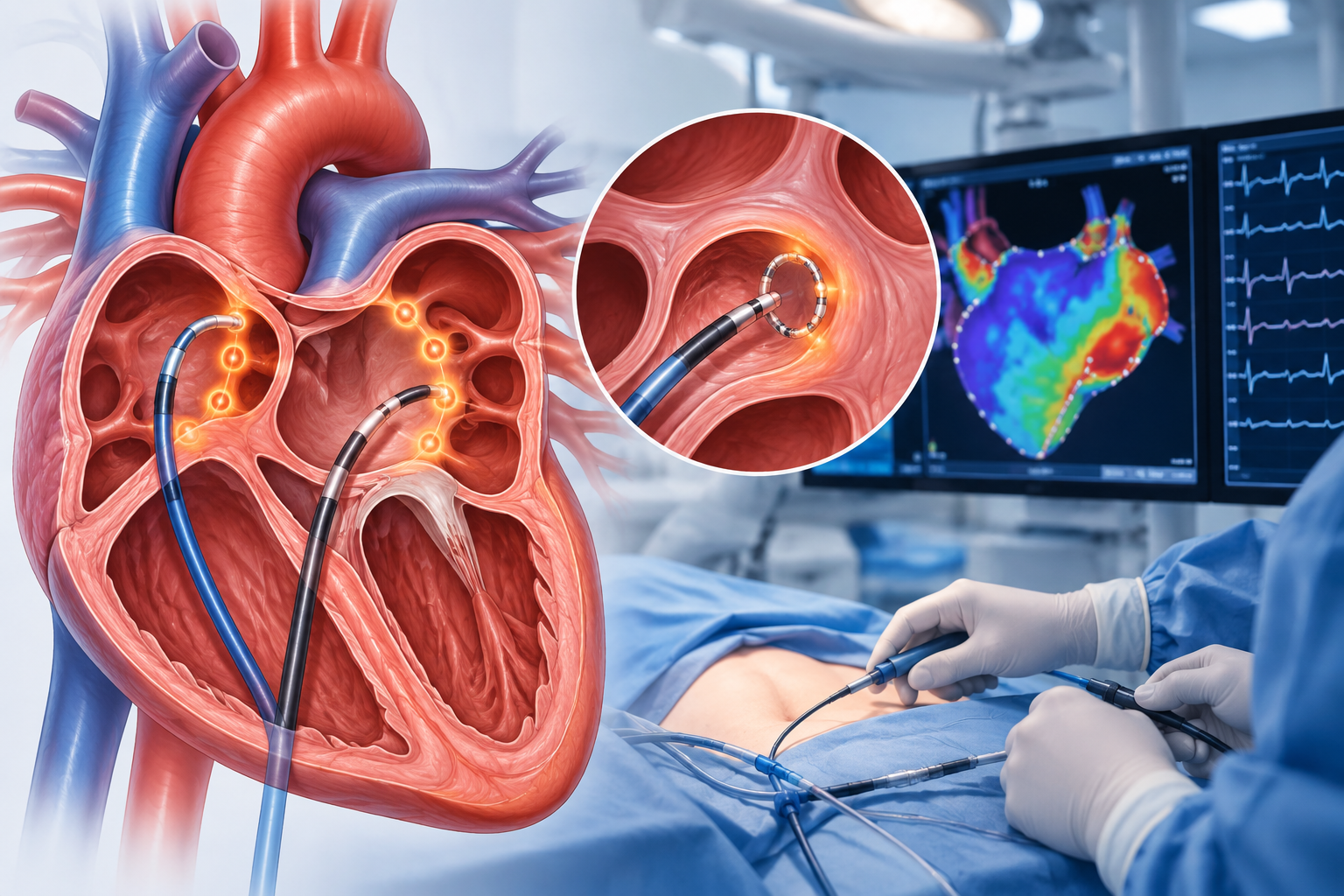
During the procedure, an electrophysiologist inserts thin, flexible catheters into a blood vessel, usually through the groin. These catheters are guided toward the heart using specialised imaging and electrical mapping techniques.
The electrophysiologist studies the heart's electrical signals to locate the accessory pathway. Once the pathway is identified, controlled energy is delivered through the catheter to modify the small area of heart tissue responsible for the abnormal electrical connection.
After treatment, the specialist checks the heart's electrical activity to confirm that the pathway can no longer conduct the abnormal signal.
Why May Ablation Be Recommended?
Not everyone with an accessory pathway requires the same treatment. Doctors consider several factors before recommending ablation.
Treatment may be considered when a patient has:
- Recurrent episodes of rapid heartbeat
- Significant symptoms affecting daily life
- Documented abnormal heart rhythms
- A pathway associated with a higher risk of serious arrhythmias
- Limited response to medication
- A preference for a definitive treatment after discussing available options
The decision should always be based on an individual assessment by a qualified cardiologist or electrophysiologist.
What Are the Benefits of Ablation?
One of the main advantages of catheter ablation is that it addresses the source of the abnormal electrical rhythm rather than simply controlling symptoms.
For appropriately selected patients, successful ablation may:
- Reduce or stop episodes of rapid heartbeat
- Improve confidence in daily activities
- Reduce dependence on rhythm-control medication in some cases
- Provide a long-term solution for the accessory pathway
- Improve overall quality of life
The expected outcome depends on the patient's specific condition and the location of the accessory pathway.
Is WPW Ablation Safe?
Catheter ablation is an established treatment for many heart rhythm disorders. However, every invasive procedure has potential risks.
Possible complications may include bleeding or bruising where the catheter is inserted, blood vessel problems, infection, changes in heart rhythm, or injury to nearby cardiac structures. Serious complications are uncommon, but the risk varies according to the patient's individual anatomy and the location of the accessory pathway.
Before treatment, the medical team should explain the expected benefits, possible risks, alternatives, and recovery process.
What Is Recovery Like After the Procedure?
After ablation, patients are monitored to ensure their heart rhythm remains stable and that the catheter insertion site is healing properly.
Some patients may be able to return home on the same day, while others may remain under observation overnight. Recovery instructions can include avoiding strenuous activity for a short period and keeping the catheter insertion area clean and protected.
Follow-up appointments are important because the doctor can assess the patient's symptoms and heart rhythm after treatment.
Patients should seek medical attention if they develop significant bleeding, severe chest discomfort, difficulty breathing, fainting, or persistent rapid heartbeat following the procedure.
Where Can Patients Seek Specialist Care in the UAE?
The UAE has specialised cardiac centres offering diagnostic and treatment services for different types of heart rhythm disorders. Choosing an experienced electrophysiology team can be important when considering treatment for WPW.
The Heart.ae provides specialised cardiac care and supports patients with heart rhythm conditions through evaluation, diagnosis, and appropriate treatment planning. A consultation with a cardiac electrophysiology specialist can help determine whether ablation is suitable based on the patient's symptoms, test results, and overall health.
When Should You Consult a Cardiologist?
A fast or irregular heartbeat should not be ignored, especially when it occurs with dizziness, fainting, chest pain, or shortness of breath. Prompt medical evaluation can help identify the underlying cause and determine whether treatment is necessary.
For individuals diagnosed with WPW, discussing treatment options with an experienced electrophysiologist can provide clarity about monitoring, medication, and catheter-based treatment.
If you are considering ablation for wolff parkinson white In uae, a specialist consultation can help you understand the procedure, its potential benefits and risks, and whether it is appropriate for your specific condition.