dubai

Heart rhythm disorders, also known as arrhythmias, affect millions of people worldwide. While some arrhythmias are harmless, others can significantly increase the risk of sudden cardiac arrest and other serious cardiovascular complications. Individuals with weakened heart muscles, previous cardiac arrest, inherited heart conditions, or severe ventricular arrhythmias often require advanced treatment to reduce these risks. Modern cardiac care offers several effective solutions, one of the most reliable being Implantable Cardioverter Defibrillator (ICD) therapy.
For patients who may require ICD surgery, consulting an experienced electrophysiologist in Dubai is an important step toward receiving an accurate diagnosis and personalized treatment plan. Electrophysiologists specialize in diagnosing and managing electrical disorders of the heart, helping patients understand whether ICD implantation is the most suitable option for their condition.
The heart depends on a complex electrical system that controls every heartbeat. When this electrical system malfunctions, the heart may beat too fast, too slow, or irregularly. While some rhythm disturbances cause only mild symptoms, others may lead to dizziness, fainting, chest discomfort, shortness of breath, or even sudden cardiac arrest.
Several medical conditions increase the likelihood of dangerous ventricular arrhythmias, including:
Early diagnosis allows physicians to identify patients who may benefit from advanced therapies before a life-threatening event occurs.
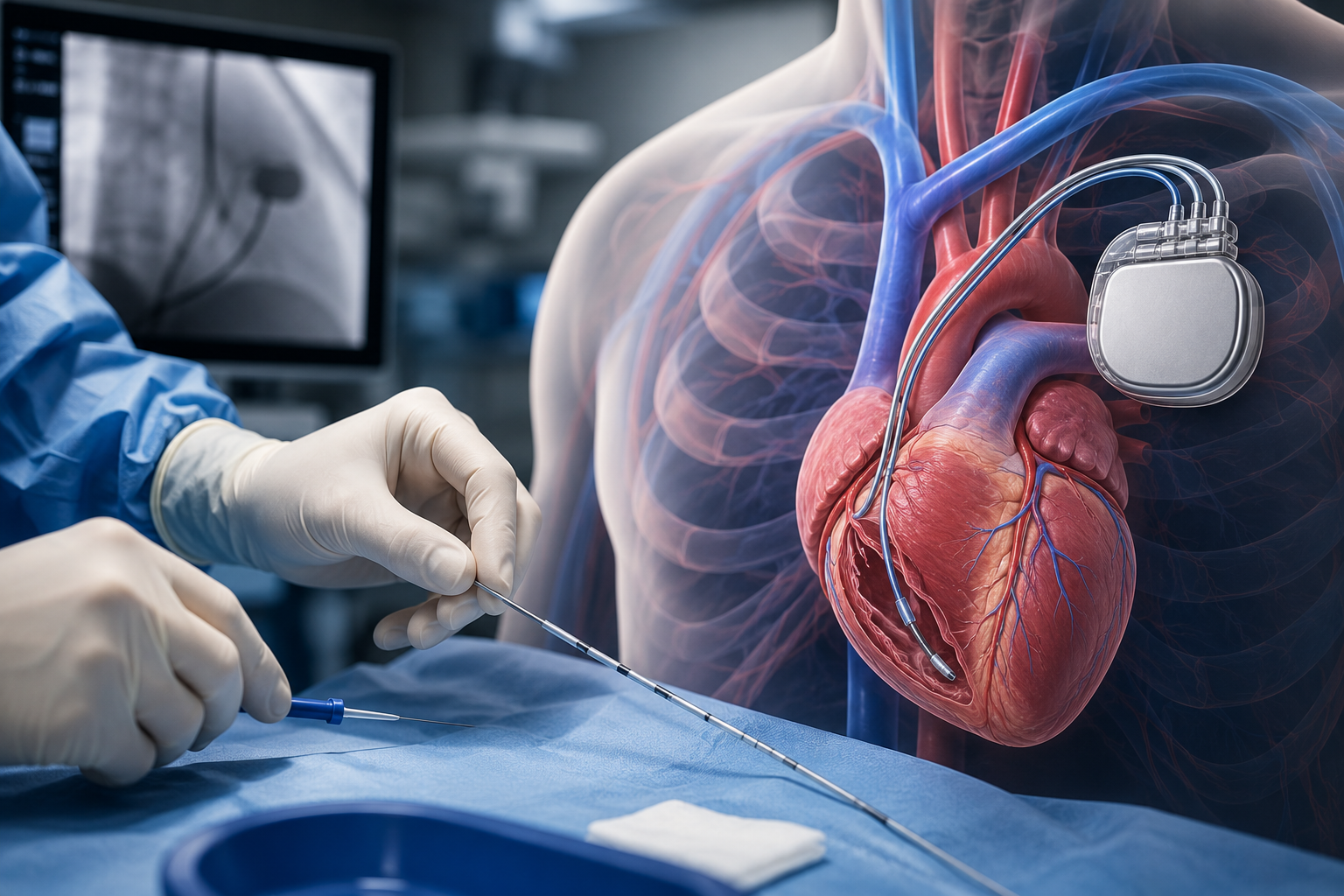
An Implantable Cardioverter Defibrillator (ICD) is a small electronic device placed beneath the skin, typically near the upper chest. Thin insulated wires connect the device to the heart, allowing continuous monitoring of heart rhythm.
Whenever the ICD detects a dangerously abnormal rhythm, it delivers electrical therapy to restore a normal heartbeat. Depending on the type of arrhythmia, the device may provide:
This immediate response can prevent sudden cardiac death in many high-risk patients.
Not every patient with an irregular heartbeat requires an ICD. Physicians carefully evaluate several factors before recommending implantation.
Candidates may include patients who have:
Comprehensive evaluation helps determine whether ICD therapy offers meaningful protection based on each patient's individual risk profile.
ICD implantation is generally considered a minimally invasive cardiac procedure. After administering local anesthesia and mild sedation, the physician makes a small incision beneath the collarbone.
Using imaging guidance, leads are carefully advanced through a vein into the heart. Once positioned correctly, the leads are connected to the ICD generator, which is placed under the skin.
Before completing the procedure, the physician tests the system to confirm proper function. Most procedures are completed within a few hours, and many patients are discharged within one or two days, depending on their overall condition.
Recovery is usually straightforward. Patients are advised to:
Most individuals return to work and regular routines after their physician confirms appropriate healing.
Receiving an ICD does not prevent people from leading active and fulfilling lives. With proper follow-up care, many patients continue working, traveling, exercising within recommended limits, and participating in family activities.
Regular device monitoring allows physicians to evaluate battery status, review stored heart rhythm information, and optimize device settings whenever necessary.
Patients are also encouraged to maintain heart-healthy habits by:
These lifestyle measures support overall cardiovascular health while complementing device therapy.
ICD therapy requires careful patient selection, precise implantation, and long-term follow-up. An experienced cardiac electrophysiologist evaluates each patient's symptoms, medical history, imaging studies, and rhythm monitoring results before recommending treatment.
Advanced diagnostic techniques such as electrocardiograms (ECG), Holter monitoring, echocardiography, stress testing, cardiac MRI, and electrophysiology studies help identify the underlying cause of abnormal heart rhythms and guide individualized treatment decisions.
At The Heart.ae, patients receive comprehensive cardiac rhythm evaluation supported by advanced technology and evidence-based treatment approaches. Dr Moataz Al-Qadri (دكتور معتز القادري) provides specialized care for patients experiencing complex arrhythmias, helping determine the most appropriate treatment options based on each individual's clinical condition.
From detailed diagnostic assessment to long-term follow-up after ICD surgery, every aspect of care is focused on improving patient safety, reducing the risk of serious cardiac events, and enhancing quality of life. As an experienced electrophysiologist in Dubai, Dr Moataz Al-Qadri works closely with each patient to develop a personalized management plan that addresses both immediate cardiac concerns and long-term heart health.
Serious heart rhythm disorders should never be ignored, especially when they carry the risk of sudden cardiac arrest. Early diagnosis, specialized evaluation, and timely intervention can make a significant difference in patient outcomes. ICD therapy has become one of the most effective treatments for preventing life-threatening ventricular arrhythmias in carefully selected patients.
If you have been diagnosed with a high-risk heart rhythm disorder or have been advised to consider advanced arrhythmia treatment, consulting an experienced cardiac electrophysiology specialist can help you understand your options and choose the most appropriate path toward safer, healthier living.