The heart's electrical system is responsible for maintaining a steady and coordinated heartbeat. When this system functions normally, electrical signals travel through a specific pathway that keeps the heart beating efficiently. However, some people are born with an additional electrical pathway that can disrupt this process, causing episodes of abnormally fast heart rhythms. This condition is known as Wolff-Parkinson-White (WPW) syndrome and, although it can affect people of all ages, early diagnosis and appropriate treatment are essential for preventing complications and improving quality of life.
If you are looking for wpw syndrome treatment in uae, it is important to consult an experienced cardiac electrophysiologist who specializes in diagnosing and treating heart rhythm disorders. Modern electrophysiology techniques enable physicians to accurately identify the abnormal electrical pathway and recommend the most suitable treatment based on each patient's symptoms, medical history, and overall heart health.
What Is WPW Syndrome?
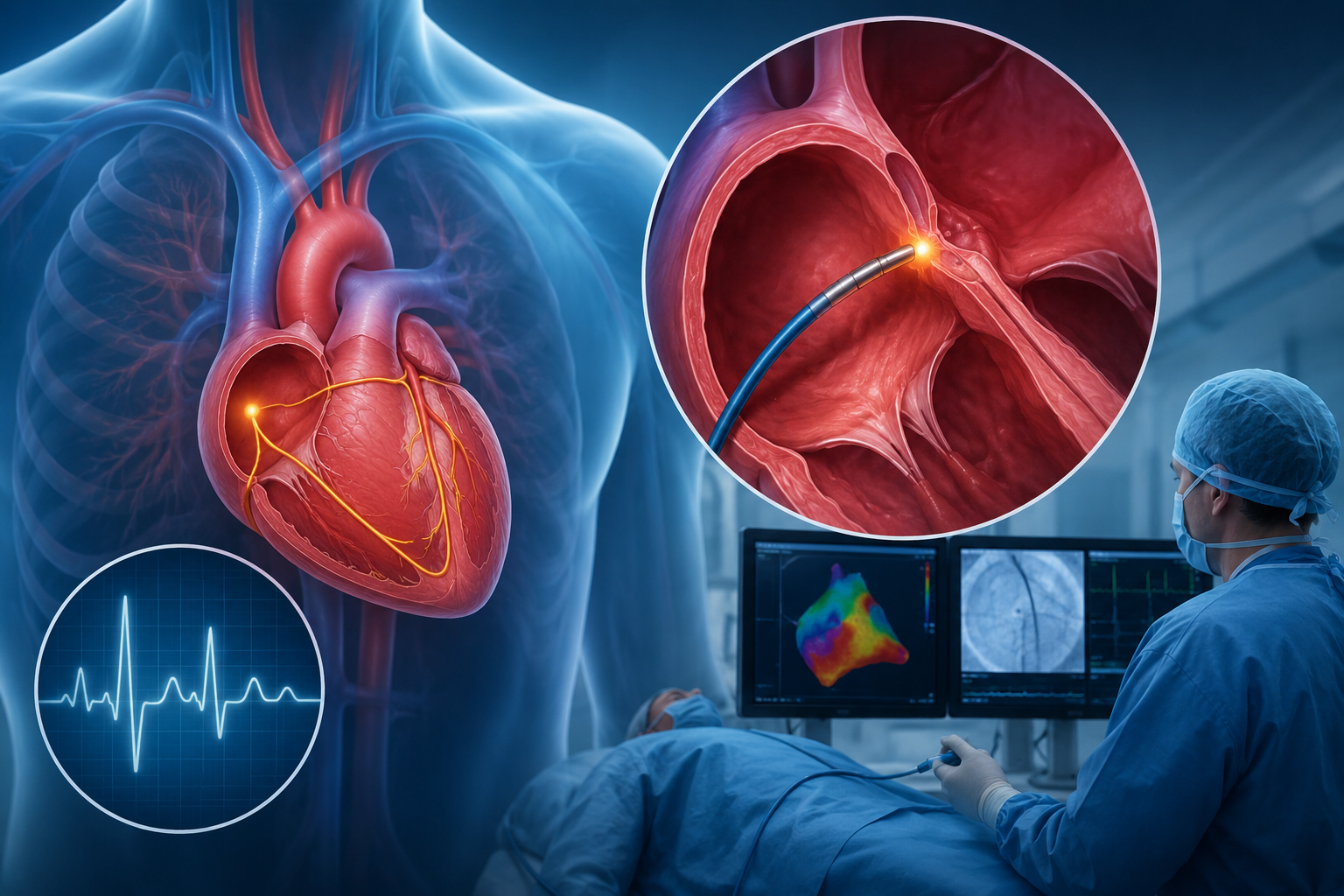
Wolff-Parkinson-White syndrome is a congenital heart rhythm disorder caused by the presence of an extra electrical connection between the upper and lower chambers of the heart. This accessory pathway allows electrical impulses to bypass the heart's normal conduction system, potentially leading to episodes of rapid heartbeat, also known as tachycardia.
Although some individuals may never experience symptoms, others can have recurring episodes that interfere with daily activities and require medical evaluation.
Common Symptoms of WPW Syndrome
Symptoms vary from person to person and may occur suddenly. Episodes can last from a few seconds to several hours, depending on the type of arrhythmia.
Common symptoms include:
- Rapid heartbeat
- Palpitations
- Chest discomfort
- Dizziness
- Lightheadedness
- Shortness of breath
- Fatigue
- Fainting in some cases
Anyone experiencing recurrent episodes of a fast or irregular heartbeat should seek prompt medical assessment.
How Is WPW Syndrome Diagnosed?
Diagnosing WPW syndrome requires a combination of clinical evaluation and specialized cardiac testing. A physician begins by reviewing the patient's symptoms, medical history, and family history before recommending appropriate investigations.
Diagnostic tests may include:
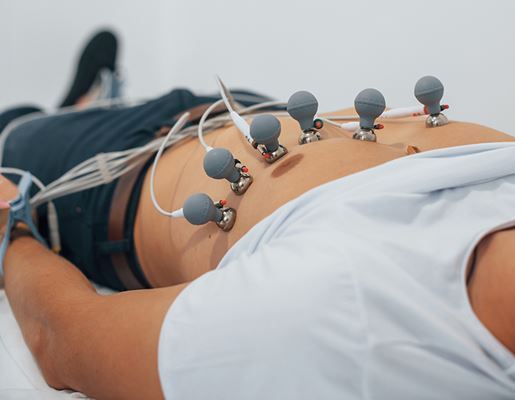
- Electrocardiogram (ECG)
- Holter monitoring
- Event recorder
- Exercise stress testing
- Echocardiography
- Electrophysiology (EP) study
An EP study is particularly valuable because it allows specialists to identify the exact location of the abnormal electrical pathway and determine the most effective treatment approach.
Treatment Options for WPW Syndrome
Treatment depends on the severity of symptoms, the frequency of episodes, the patient's age, and overall cardiovascular health.
Management options may include:
Observation
Individuals without symptoms may only require periodic follow-up and monitoring.
Medications
Certain anti-arrhythmic medications may help control episodes of rapid heartbeat in selected patients.
Catheter Ablation
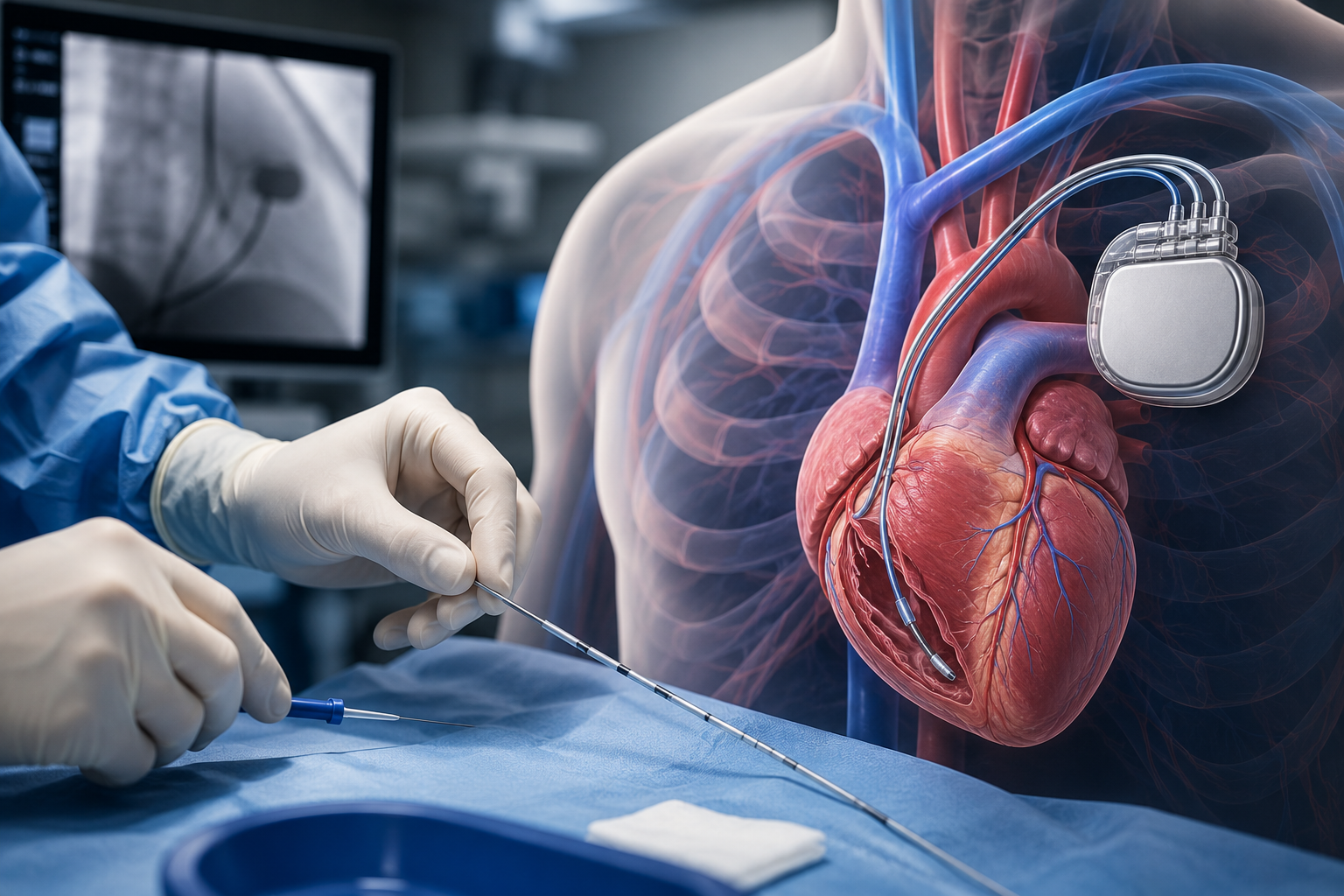
For many symptomatic patients, catheter ablation is considered one of the most effective treatment options. During the procedure, a thin catheter is guided to the heart through blood vessels. Once the abnormal pathway is identified, controlled energy is used to eliminate it while preserving the heart's normal electrical conduction.
The procedure is minimally invasive and typically allows patients to return to normal activities within a relatively short recovery period.
Understanding the Success Rate of Cardiac Cauterisation
Many patients diagnosed with WPW syndrome ask about the Success rate of cardiac cauterisation ( نسبة نجاح عملية كي القلب ) before deciding on treatment. Catheter ablation, commonly referred to as cardiac cauterisation, has become a well-established treatment for many types of supraventricular tachycardia, including WPW syndrome.
The success rate depends on several factors, including the location of the accessory pathway, the complexity of the condition, the patient's overall health, and the expertise of the electrophysiology team performing the procedure. In many patients with WPW syndrome, catheter ablation offers excellent long-term outcomes with a low risk of recurrence when performed by experienced specialists.
Your treating physician will discuss the expected benefits, possible risks, and individualized treatment plan after completing a comprehensive evaluation.
Why Experience Matters in Electrophysiology
Treating complex heart rhythm disorders requires specialized training and advanced technology. Cardiac electrophysiologists focus specifically on diagnosing and managing electrical abnormalities of the heart.
Choosing an experienced electrophysiology specialist offers several advantages:
- Accurate diagnosis
- Personalized treatment planning
- Advanced mapping technology
- Evidence-based treatment recommendations
- Comprehensive follow-up care
- Reduced likelihood of recurrent arrhythmias
Expert care plays a significant role in achieving successful treatment outcomes.
Specialized Care with Dr Moutaz El Kadri
Patients seeking advanced arrhythmia management can benefit from the expertise of Dr Moutaz El Kadri, a highly experienced cardiac electrophysiologist specializing in the diagnosis and treatment of heart rhythm disorders. His patient-centered approach combines detailed clinical assessment with modern electrophysiology techniques to develop individualized treatment plans.
From evaluating complex arrhythmias to performing advanced catheter ablation procedures, Dr Moutaz El Kadri focuses on delivering safe, evidence-based care tailored to each patient's specific condition. Comprehensive follow-up and long-term monitoring help ensure optimal recovery and sustained heart rhythm control.
Supporting Heart Health After Treatment
Successful treatment is only one part of maintaining long-term cardiovascular health. Patients should continue following medical advice and adopt heart-healthy habits that support overall well-being.
These include:
- Attending regular follow-up appointments
- Taking medications exactly as prescribed
- Staying physically active with physician approval
- Eating a balanced diet
- Managing blood pressure and cholesterol
- Avoiding tobacco products
- Limiting excessive caffeine if advised
- Reporting any recurring symptoms promptly
These lifestyle measures contribute to better recovery and help maintain normal heart rhythm after treatment.
Conclusion
WPW syndrome is a treatable heart rhythm disorder, and early diagnosis significantly improves treatment planning and long-term outcomes. Advances in electrophysiology have made it possible to accurately identify abnormal electrical pathways and treat them using minimally invasive techniques that offer excellent success for many patients.
If you are considering wpw syndrome treatment in uae, consulting an experienced electrophysiologist is an important first step toward receiving the most appropriate care. With expert guidance from Dr Moutaz El Kadri and modern treatment approaches backed by a favorable Success rate of cardiac cauterisation for suitable candidates, patients can confidently move toward better heart health and an improved quality of life.