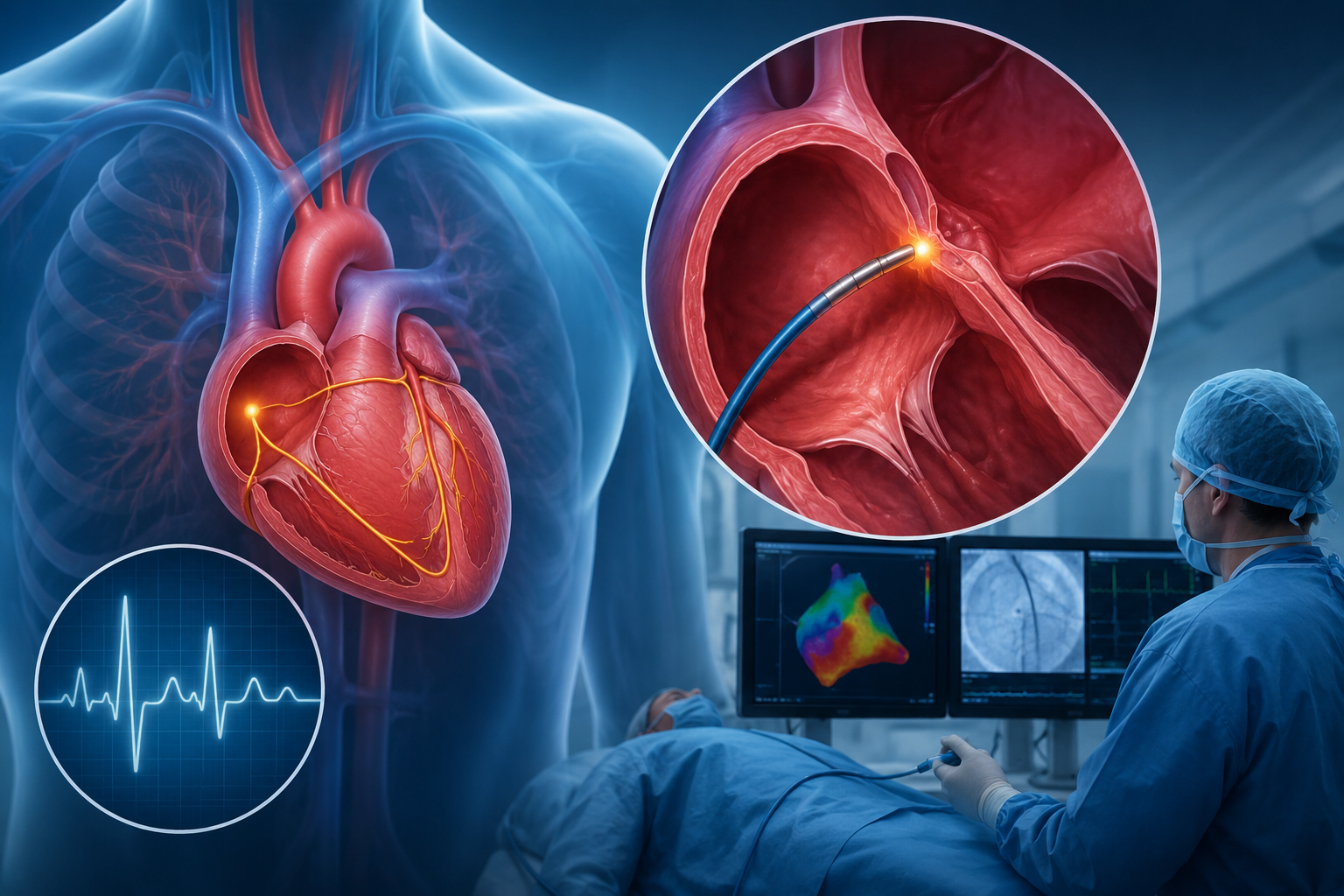
The human heart relies on a carefully coordinated electrical system to maintain a steady and effective heartbeat. When this system is disrupted, the heart may beat too slowly, too quickly, or irregularly, affecting its ability to pump blood efficiently. While some rhythm disturbances can be managed with medication or lifestyle changes, others require advanced treatment to restore normal heart function. One of the most reliable solutions for certain rhythm disorders is the implantation of a pacemaker.
For individuals considering heart pacemaker surgery in UAE, understanding how a pacemaker works and when it becomes necessary can help reduce anxiety and support informed decision-making. At TheHeart.ae, patients receive comprehensive evaluation and advanced cardiac rhythm care under the expertise of Dr. Moutaz El Kadri, who specializes in diagnosing and treating complex heart rhythm disorders using modern, evidence-based techniques.
What Is a Pacemaker?
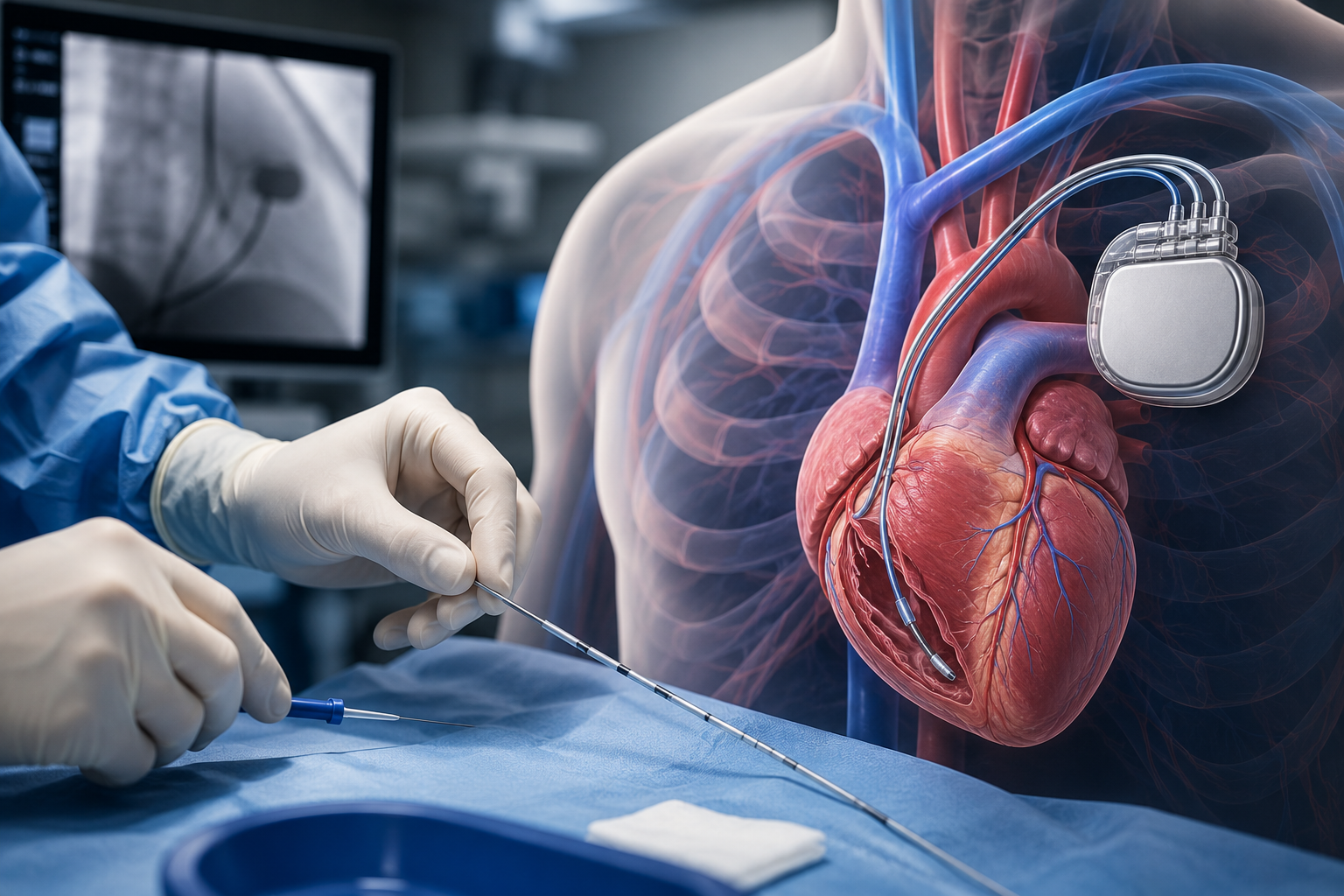
A pacemaker is a small electronic medical device implanted beneath the skin, usually near the collarbone. It continuously monitors the heart's electrical activity and delivers tiny electrical impulses whenever the heartbeat becomes too slow or irregular.
Modern pacemakers are designed to:
- Maintain a stable heart rate
- Improve blood circulation
- Reduce symptoms caused by slow heart rhythms
- Support normal daily activities
- Adapt to the body's activity level in many patients
Pacemakers are highly reliable and are used worldwide to improve both quality of life and long-term heart health.
Why Might Someone Need a Pacemaker?
A pacemaker is recommended when the heart's natural electrical signals are unable to maintain an adequate rhythm. This condition is commonly known as bradycardia or may occur due to electrical conduction disorders.
Common reasons include:
Slow Heart Rate (Bradycardia)
When the heart beats too slowly, the body may not receive enough oxygen-rich blood, resulting in fatigue, dizziness, or fainting.
Heart Block
Electrical signals traveling between the upper and lower chambers of the heart may become delayed or completely blocked, leading to irregular heartbeats.
Sick Sinus Syndrome
The heart's natural pacemaker, known as the sinus node, may fail to generate consistent electrical impulses, causing abnormal heart rhythms.
After Certain Cardiac Procedures
Some patients may require a pacemaker following heart surgery or other cardiac interventions if normal electrical conduction does not recover adequately.
What Symptoms Should Never Be Ignored?
Many rhythm disorders develop gradually and may initially produce mild symptoms. However, persistent symptoms should always be evaluated by a heart rhythm specialist.
Common warning signs include:
- Frequent dizziness
- Unexplained fainting
- Persistent fatigue
- Shortness of breath
- Slow heartbeat
- Chest discomfort
- Reduced ability to exercise
- Episodes of confusion or weakness
Prompt diagnosis allows doctors to determine whether a pacemaker or another treatment option is the most appropriate solution.
How Is a Pacemaker Implanted?
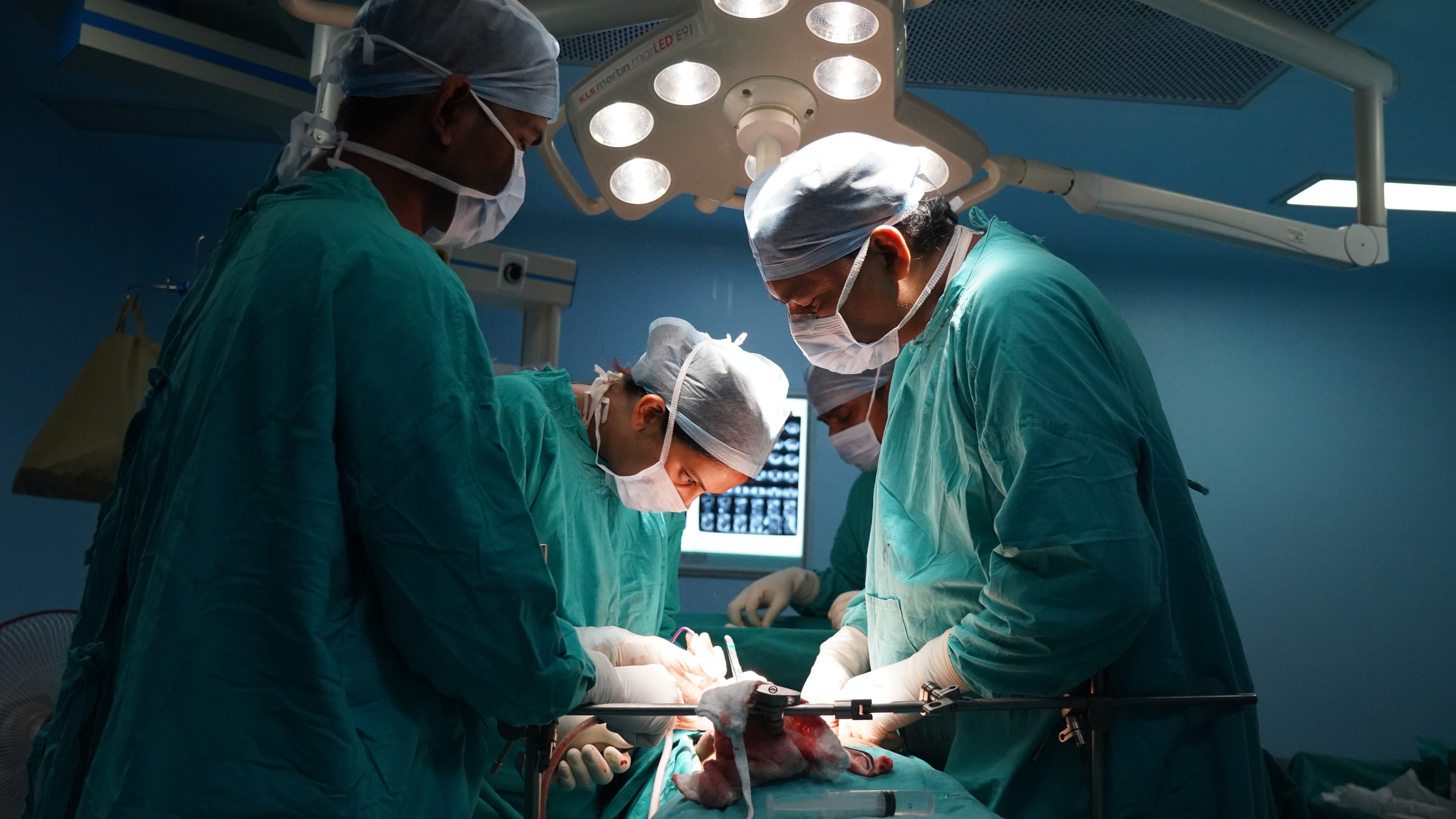
Pacemaker implantation is considered a minimally invasive procedure performed in a specialized cardiac catheterization laboratory or operating room.
The procedure generally includes:
- Local anesthesia with light sedation
- A small incision below the collarbone
- Placement of thin pacing leads into the heart through a vein
- Connection of the leads to the pacemaker device
- Careful testing to ensure proper function
The procedure is typically completed within a few hours, and many patients are able to return home shortly afterward, depending on their medical condition.
What Happens After Pacemaker Implantation?
Recovery following pacemaker implantation is usually straightforward when patients follow their doctor's recommendations.
Patients are generally advised to:
- Keep the incision site clean and dry
- Avoid heavy lifting during the initial recovery period
- Attend scheduled follow-up appointments
- Inform healthcare providers about the implanted device
- Continue prescribed medications if required
Routine device checks ensure that the pacemaker continues to function optimally and that battery performance remains satisfactory.
Can You Live Normally with a Pacemaker?
Most people return to their normal routines after recovery. A pacemaker helps restore a more regular heart rhythm, allowing patients to enjoy improved energy levels and greater confidence during daily activities.
Many individuals can safely:
- Walk and exercise as advised
- Travel comfortably
- Continue working
- Participate in recreational activities
- Maintain an active lifestyle
Regular follow-up appointments remain important to monitor both heart health and device performance over time.
Why Is Specialist Care Important?
Heart rhythm disorders require accurate diagnosis because treatment varies depending on the underlying cause. A detailed evaluation often includes electrocardiograms (ECG), Holter monitoring, echocardiography, and other specialized cardiac investigations.
Experienced electrophysiologists understand how to determine whether symptoms are caused by slow heart rhythms, rapid rhythms, or other cardiac conditions. This ensures that every patient receives an individualized treatment plan rather than a one-size-fits-all approach.
At TheHeart.ae, Dr. Moutaz El Kadri provides comprehensive evaluation, advanced cardiac rhythm management, and personalized treatment plans tailored to each patient's condition. His expertise in cardiac electrophysiology allows patients to receive modern, evidence-based care with a strong focus on safety, precision, and long-term heart health.
Conclusion
For individuals experiencing symptoms of abnormal heart rhythms, timely medical evaluation can make a significant difference. Advances in cardiac electrophysiology have made pacemaker implantation a safe and effective treatment for many rhythm disorders, helping patients regain confidence and improve their quality of life. If you are considering heart pacemaker surgery in UAE, consulting an experienced cardiac electrophysiologist ensures that you receive the most appropriate diagnosis, treatment, and long-term follow-up for lasting heart health.